Last November, I put off blowing out my sprinkler lines until one warm weekend. I spent April replacing two cracked heads that I could have avoided with proper fall preparation. Now, this late-fall yard checklist helps me avoid those tedious springtime tasks. Here’s what to do, why it works and what NOAA’s latest outlook suggests for the months ahead.
Your Late-Fall Yard Checklist
Most of these tasks take less than an hour and don’t require fancy tools. If you’ve searched how to prepare your lawn for winter and felt buried in advice, start here. Work through the jobs in order, beginning with the mower.
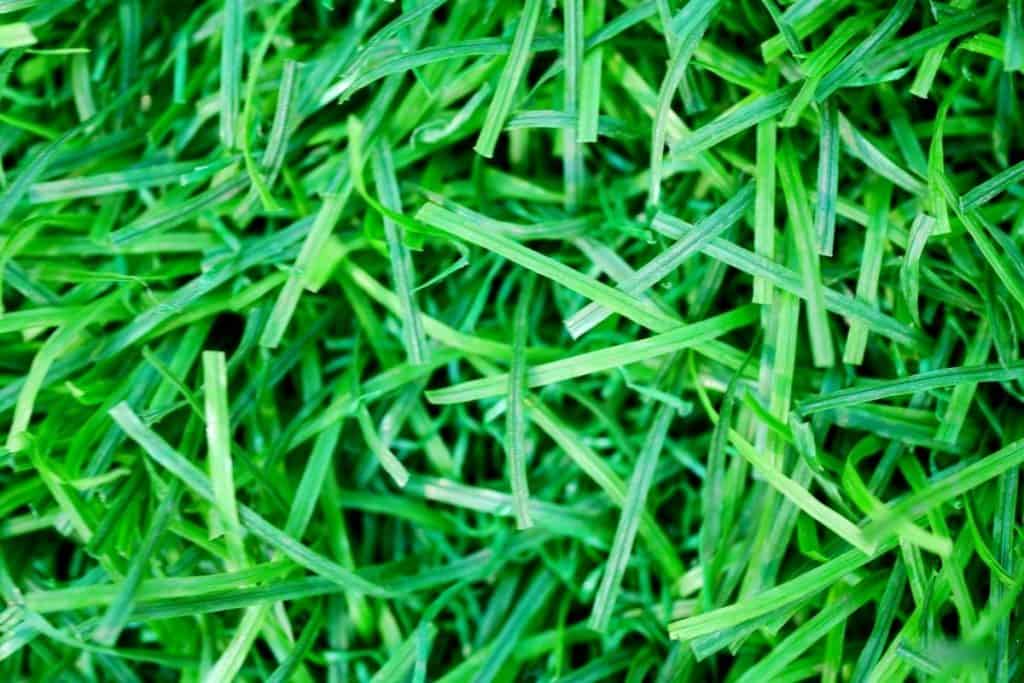
1. Lower the Mower Blade for the Final Cut
When to stop mowing in fall depends on your grass, not the calendar. Keep mowing at your usual height until growth stalls, usually after a stretch of cold nights.
For that final mow, drop the blade one notch, roughly half an inch. Shorter grass is less likely to mat down under leaves and snow, which lowers the risk of snow mold come spring.
Don’t scalp it, though. Cutting more than a third of the blade at once weakens grass before dormancy, so one notch is plenty.
2. Winterize Your Irrigation System
Water left in sprinkler lines expands when it freezes, cracking heads and pipes. A neglected system also wastes water — EPA’s WaterSense program notes that a poorly maintained irrigation system can waste up to 25,000 gallons a year.
Here’s how to winterize a sprinkler system before your first hard freeze:
- Shut off the water. Close the main valve that feeds the system.
- Set the controller to off. Most timers have an off or rain mode that saves your settings.
- Drain the lines. Open any manual drain valves, or run each zone briefly if your system has automatic drains.
- Blow out what’s left. An air compressor pushes the remaining water out, one zone at a time.
The blowout is the budget call. Renting a compressor saves money, but too much pressure can damage fittings, so wear eye protection and start low. If it’s your first time, hire a pro once, watch the process and try it yourself next year.
3. Match Your Timing to a Local Calendar
Every yard runs on its own clock. A task that’s perfectly timed in Georgia can be weeks late in Vermont, and frost dates are the reason.
Even within one state, the swing is wide. In Maryland, average last frost dates range from late March to mid-May depending on whether you live in the southern or western part of the state. That gap shifts when to make the final mow, when to mulch and when to shut off the water.
That Maryland calendar lays out landscaping tasks month by month, including late-fall jobs. Its timing is Maryland-specific, so use it as a model and adjust for your frost window. Your local extension office can help.
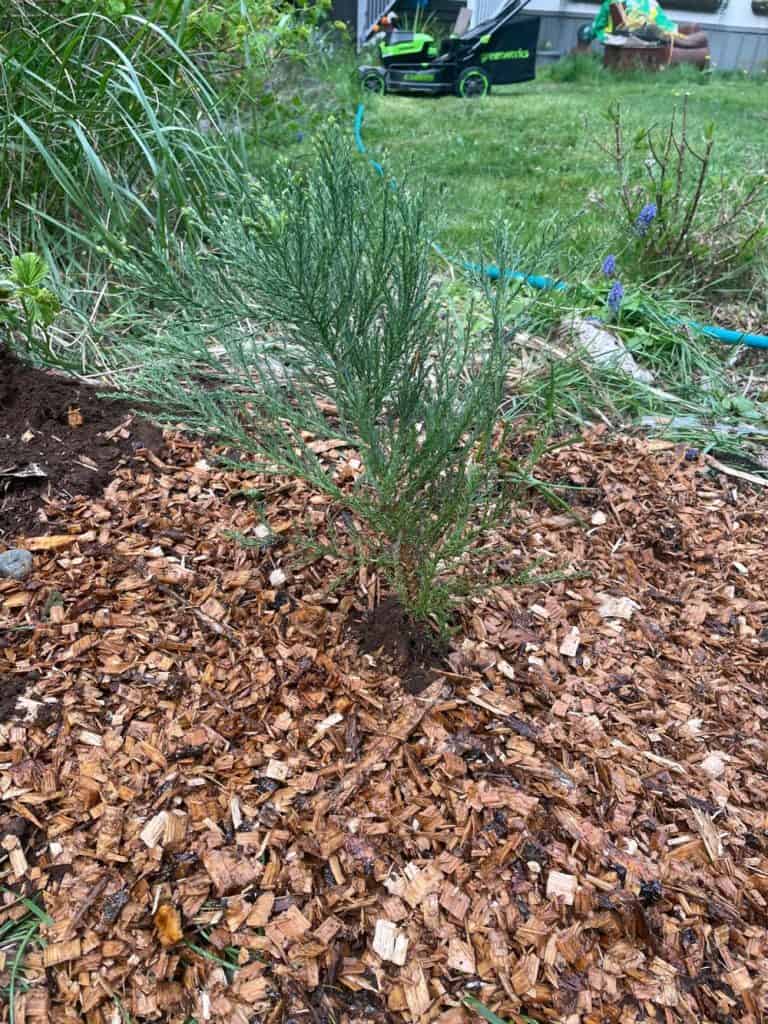
4. Spread 2 to 3 Inches of Mulch
Late-fall mulch works like insulation. It steadies soil temperatures so roots stay put through freeze-thaw swings instead of heaving out of the ground.
A 2- to 3-inch layer over beds and around shrubs and trees is plenty. Shredded leaves, pine straw and wood chips all work well, and leaves are free.
Placement matters as much as depth. University of Maryland Extension recommends keeping mulch about 3 inches from the trunk, since mulch piled against bark holds moisture and invites rot and pests. Picture a doughnut, not a volcano.

5. Mow Leaves Into the Lawn and Clear the Gutters
Bagging leaves is a lot of work for something your lawn can use. Mow over a light layer and let the shredded bits settle between grass blades. They’ll break down over winter, feed the soil and keep bags out of the landfill.
Thick, wet piles are the exception. Rake those into beds as mulch or start a compost pile, since a heavy mat can smother grass.
While you’re in leaf mode, look up. Home maintenance pros call late autumn the most critical gutter cleaning of the year. Clear gutters let winter rain and snowmelt drain away instead of backing up into ice dams.

6. Drain Hoses and Shut Off Outdoor Faucets
A hose left connected traps water at the spigot, where it can freeze and split the pipe inside your wall. Disconnect every hose, drain it fully and coil it somewhere sheltered, like a garage or shed.
If your home has an indoor shutoff valve for outdoor faucets, close it, then open the outdoor tap to let the last water out. Renters can handle this one too, and it’s a quick job.
7. Clean and Store Your Tools
Give your tools a little care before they hibernate. Scrape the mower deck, sharpen the blade and oil metal tools to prevent rust.
It feels like a small chore, but clean, sharp tools make spring’s first mow faster and easier on your lawn. Future you will appreciate it.
What the NOAA Winter Outlook 2026-27 Says About the Months Ahead
With the yard work handled, it’s worth zooming out. NOAA released its winter outlook on Oct. 15, 2026, and it covers December through February.
A Strong El Niño Is Steering the Forecast
El Niño is the main driver this year. NOAA’s Climate Prediction Center put the odds at more than a 79% chance of a strong to very strong El Niño lasting into early 2027. That pattern tends to nudge the jet stream south and east, shifting where storms and warmth land.
What It Means for the East
For the eastern U.S., the outlook leans toward three trends:
- Warmer temperatures. Warmer-than-average conditions are favored across much of the East.
- More moisture. NOAA’s outlook favors a wetter East Coast this winter, with above-average precipitation most likely along the coast.
- Drought relief. Drought conditions are expected to improve or end in parts of the East Coast.
Read It as Odds, Not a Promise
These are probabilities, not guarantees. NOAA climate scientists frame seasonal outlooks in terms of odds, since no two El Niño winters play out the same way. Cold snaps and snowstorms can still show up in a winter that leans warm.
Your late-fall to-do list stays the same either way. A single hard freeze is enough to crack a sprinkler line, so the prep still pays off.
Make your last mow once the grass stops growing, typically after a stretch of cold nights. Lower the blade one notch for that final cut so the lawn heads into winter short but healthy.
Yes, anywhere the ground freezes. Draining and blowing out the lines each fall keeps trapped water from cracking pipes and sprinkler heads.
Aim for 2 to 3 inches over beds and around shrubs. Keep it a few inches back from trunks and stems so bark stays dry.
Rake It Till You Make It
A free Saturday, a rake and a little planning can get your yard winter-ready. Lower the blade, drain the lines, tuck in the beds and clear the gutters. NOAA’s outlook gives you a feel for the season ahead, but the late fall yard checklist stays the same. Get it done now, and spring starts with a healthy lawn instead of a repair list.

Hi I’m Adrienne Carrie Hubbard. I believe a rich life comes not from the things you have, but the things you do; the experiences you create and the people you meet along the way. Thanks for hanging out!
Leave a Reply